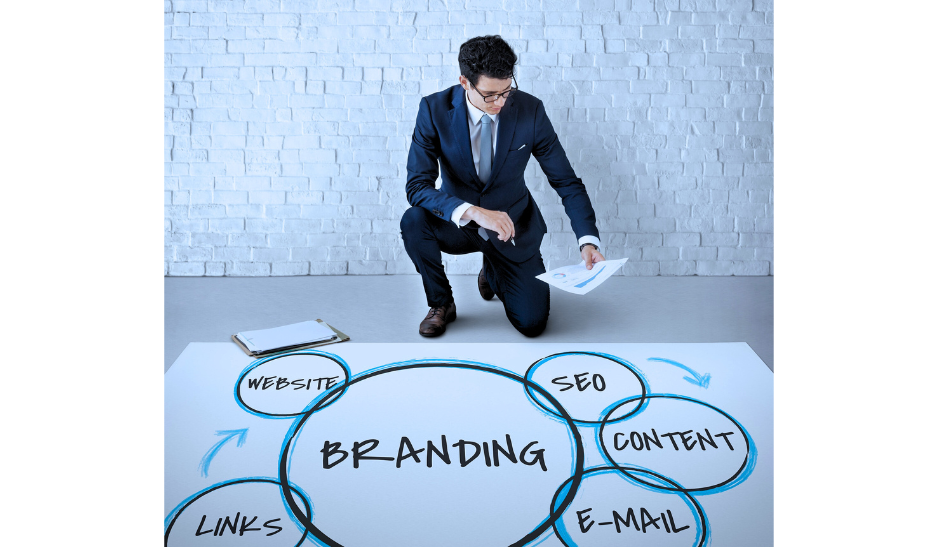
marketing strategy

In an increasingly competitive world, marketing is a must have. Whether you’re launching a startup, running a small business, or exploring marketing as a career, having a clear marketing strategy sets you apart from the competition. This guide breaks down the core components of an effective marketing strategy, helping you build a plan that connects with your audience, gain more customers, and or understand the basics needed to get started
A marketing strategy is a comprehensive plan designed to promote a product, service, or brand over an extended period. It defines how you reach your target audience, communicate your value, and differentiate yourself from your competitors. The purpose is attract and retain customers over a longer period of time
Without a strategy, businesses risk wasting time and money on ineffective tactics. A clear plan ensures your efforts are aligned with business goals, and helps you come up with new and effective strategies for your brand to make it global.
Before diving into execution, it’s important to understand the basic building blocks:
Product – What are you selling? Think about features, quality, and customer needs.
Price – What is the perceived value? Consider its cost, competition, and relative positioning.
Place – Where is your audience? Are you using retail, digital, direct, or a combination? How do you plan to distribute your info or product to the market.
Promotion – How do you communicate value? This includes advertising, social media, PR, and more. Do you use ads, drive organic traffic etc.
Mapping the path a customer takes from awareness to purchase helps tailor your unique marketing strategy. Common stages include:
Awareness
Consideration
Purchase Intent
Retention
Advocacy (Clients refer you further.)
Marketing is the overall strategy(How will you promote your brand, how will you reach the markets?).
Branding is how you shape perception. (What is your mission and or vision?).
Advertising is a promotional tactic. (Whether it's organic or paid?)
Success starts with setting the right goals. Vague ambitions like "get more customers" won’t cut it. You need to think further into the strategy to derive great results for your brand or business
Specific – Define exactly what you want to achieve.
Measurable – Track progress with data. (KPI's)
Achievable – Be realistic with your resources. (How much budget you can allot)
Relevant – Align with broader business goals. (Brand awareness, Getting more leads etc.)
Time-bound – Set deadlines. (3 month campaign, 6 month campaign etc.)
Marketing should always support the business and help it grow. Whether the goal is revenue growth, customer retention, or entering a new market, your strategy must reflect it.
Website traffic (Google Analytics)
Conversion rates
Customer acquisition cost (CAC)
Return on ad spend (ROAS)
Social media engagement (Engagement, Likes, Shares etc.)
Effective strategies are built on insights. You need to know your industry, your competitors, and—most importantly—your customers which means basically the correct target audience for you to convert into sales.
What trends are shaping your industry? You can use Google Trends to get a solid foundation
Who are the major players? Name some relevant players for your business e.g for Shoes it will be Nike, Adidas etc.
Are there any gaps or emerging niches? e.g Automated laces for shoes.
Use SWOT (Strengths, Weaknesses, Opportunities, Threats) to evaluate rivals or other businesses. Tools like Porter’s Five Forces can also help assess competitive techniques.
Surveys and interviews for qualitative insight.
Analytics and CRM data for behavioral patterns.
Social listening tools for sentiment analysis.
These fictional profiles represent your ideal customers. Include demographics, goals, challenges, and buying behaviors. It includes ages, shopping habits, and even more.

Your UVP is the answer to the question: Why should a customer choose you over the competition? What benefit or uniqueness do you bring to the table.
Clear: No jargon, no fluff.
Relevant: Solves a real problem for your audience.
Differentiated: Highlights what sets you apart from the competition.
Slack: “Be more productive at work with less effort.”
Dollar Shave Club: “A great shave for a few bucks a month. No commitment.”
Not all platforms are created equal. Where you show up depends on where your audience spends time.
Social Media – Great for engagement and brand building (e.g., Instagram, LinkedIn, Twitter).
Content Marketing – Builds trust and SEO through blogs, videos, and more. Content is king, as they say.
Email Marketing – Ideal for nurturing leads and boosting retention. Upselling your services and or products e.g Mailchimp
Search Marketing – SEO (organic) and SEM (paid) drive traffic via Google and Bing.
Influencer/Affiliate Marketing – Third-party endorsements can build credibility fast. They improve authority and reliability for your brand.
Print ads in newspapers or magazines
Radio and TV commercials
Outdoor advertising (billboards, posters)
Events, sponsorships, and trade shows
Even if expensive, they techniques still help you get up and running for your business.
Today’s customers move between digital and physical experiences. A cohesive message across all touchpoints enhances trust and impact.
Marketing costs money—but how much should you spend?
New businesses often allocate 10–20% of projected revenue. Sometimes even more.
Established companies may spend 5–10%. They spent more on retention and retaining their previous customers.
Base allocation on:
Channel performance
Audience reach
Campaign goals(Brand awareness, Ads etc.)
In-house: More control, lower cost long-term
Outsourcing: Access to specialized skills and speed but mostly expensive.
Planning is only half the battle. Execution requires coordination, tools, and accountability.
Map campaigns across weeks or months. Include:
Themes and topics( Depends on campaign and themes of your brand)
Channel-specific content (Youtube, Linkedin etc.)
Launch dates and deadlines
Clear roles and communication are essential. Whether you’re solo or managing a team, accountability ensures things get done.
Project Management: Trello, Asana, Notion
Design: Canva, Adobe Creative Suite
Email: Mailchimp, Klaviyo
Analytics: Google Analytics, HubSpot
What gets measured gets managed. Don’t wait until the end of a campaign to evaluate performance.
Track key metrics like:
Traffic and bounce rate
Time on site
Click-through and open rates
Sales conversions
Use data to:
Double down on what works
Fix underperforming areas
Identify new opportunities
Try different headlines, images, CTAs, or email subject lines. Small tweaks can yield big gains. You never know what works, small changes such as a yellow CTA button can make your sales go higher.
Airbnb focused on user-generated content and referral programs to grow from a niche idea to a global brand. Their marketing strategy blended community, technology, and trust-building.
Lack of focus: Trying to market to everyone ends up reaching no one. You need to target to the right audience.
Neglecting data: Making decisions based on assumptions is risky. Data always trumps and gives you good guidelines.
Inconsistent messaging: Confusing brand communication erodes trust. You need to stay consistent to promote brand and retain trust
Short-term thinking: Sustainable growth requires long-term planning.
Marketing strategy doesn’t have to be overwhelming. With a clear structure, data-driven decisions, and consistent effort, you can take your business/ brand to a higher level.
Start with a clear understanding of your audience and goals.
Use research and data to inform your approach.
Choose channels strategically, based on where your audience is.
Track performance and adjust regularly.
Outline your business and marketing objectives.
Create customer personas.
Choose your primary channels.
Draft your first 90-day marketing plan.
Start small, learn fast, and scale what works.
Books: Made to Stick by Chip & Dan Heath, Contagious by Jonah Berger
Courses: HubSpot Academy, Google Digital Garage, Coursera
Software: SEMrush, Hootsuite, Mailchimp, Canva
Marketing is both an art and a science. With the right strategy, you’re not just attracting attention—you’re building relationships that lead to long-term business success.
I help businesses come up with great marketing strategies, promote their brand, help them to target the right audience, build trust and gain more customers. I have been in this field for 4 to 5 years and can help build them a solid marketing strategy for their business.
Let me know if you’d like a downloadable version (PDF or Word), visuals to go with it, or help tailoring it for a specific industry!